
NYT Targets Microsoft Supercomputer in OpenAI Suit
The New York Times is rewriting its copyright case against Microsoft, alleging a bespoke supercomputer was built to help OpenAI infringe its work.
Founder & Lead Technician
Quick answer
The New York Times has asked a court to amend its copyright suit, alleging Microsoft built a bespoke supercomputer specifically to help OpenAI train ChatGPT on Times articles. The move follows a Supreme Court ruling that raised the bar for proving contributory infringement.
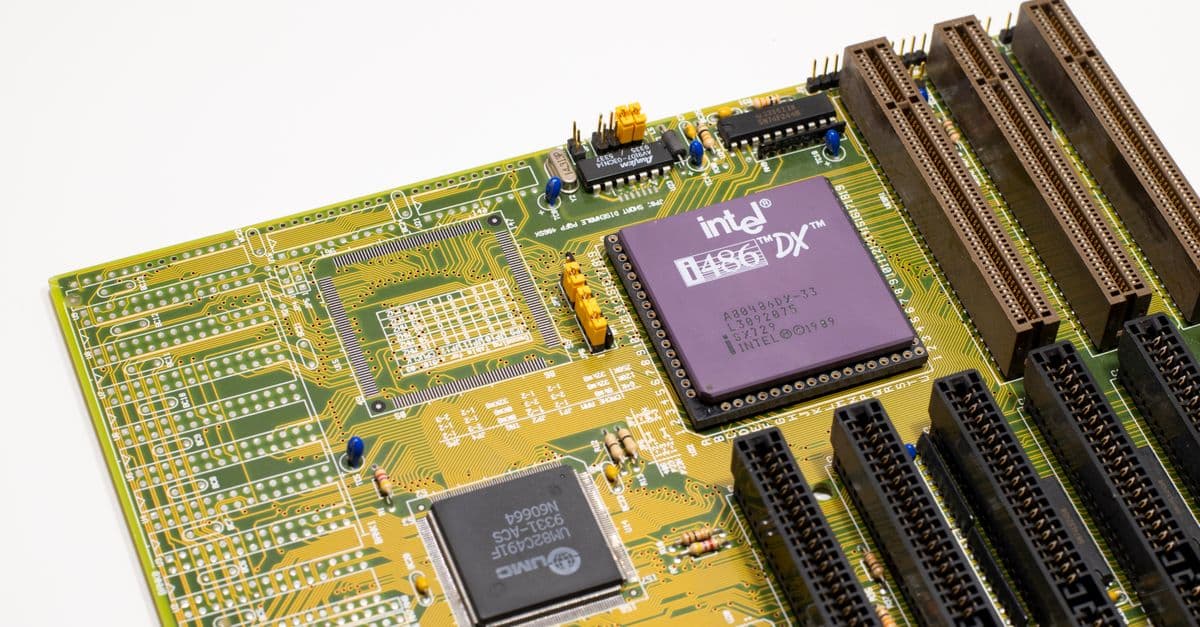
The New York Times wants to put Microsoft hardware on trial. In a heavily redacted court filing Thursday, the paper asked a judge for permission to amend its copyright complaint against OpenAI and Microsoft, recasting a bespoke supercomputer not as ordinary cloud infrastructure but as a machine built for the explicit purpose of helping OpenAI infringe Times works.
The trigger is a Supreme Court decision. The justices sided with Cox Communications in a case where Sony tried to hold the internet provider responsible for contributing to music piracy, and that ruling reset the bar for contributory infringement. Going forward, plaintiffs have to prove a party intentionally acted to induce illegal conduct. The Times read the new standard and moved to align its claim against Microsoft with it.
What actually changed in the complaint
This is a sharpening, not a brand-new lawsuit. The Times says its core claims are unchanged from the day it filed in 2023: that Microsoft and OpenAI took millions of its copyrighted works to build competing products and enrich themselves.
Two things are new. First, the contributory infringement claim against Microsoft has been rewritten to meet the post-Cox intent standard. Second, and more striking, the supercomputer itself is now a central character.
In the original complaint, the Times described Microsoft systems as if they were generic cloud services. The amended version argues the machine was tailor-made. The Times alleges Microsoft designed an unusually complex supercomputer specifically to use essentially the whole internet, curated to disproportionately feature Times works, to train the most capable large language model in history.
If you publish anything online, the claim here is the one to watch: that an infrastructure provider can be held liable not for hosting data, but for designing a system whose purpose was to ingest copyrighted work without permission.
How the alleged infringement machine works
The mechanical argument matters because it is what separates a cloud landlord from an active participant.
According to the Times, the supercomputer did two jobs that go beyond renting out compute. It helped select which works were scraped, and it provided the means to seize those works without permission. The paper alleges both firms wanted to train on the highest-quality journalism available so that level of writing could be confidently mimicked in outputs, and that Times articles were therefore weighted more heavily inside the training data.
The result, the Times says, showed up in product. It alleges Microsoft deployed Times-trained models across its product line, and that doing so helped boost the company market capitalization by a trillion dollars in a single year.
The evidence the Times leans on is the model output itself. During discovery it obtained a large slice of user ChatGPT sessions. In some, users openly said they were trying to skirt paywalls and got significant chunks of articles simply by asking to see the next paragraph. In others, the Times says, models spit out several paragraphs with no prompting trick at all. The complaint includes side-by-side comparisons of ChatGPT text against original articles to argue substitution, plus screenshots of allegedly infringing outputs.
How each side is framing it
The two camps are telling opposite stories about the same filing.
- The Times calls it a strengthening of an already strong case, built on new law and new evidence uncovered in discovery. Spokesperson Graham James said the paper has long alleged Microsoft actively encouraged OpenAI to steal its copyrighted works.
- Microsoft calls it a last-ditch effort to save a claim from unfavorable precedent set in other recent rulings.
There is a tell in the procedural details. The Times voluntarily dismissed two claims, contributory copyright infringement and trademark dilution, against all defendants. That is the streamlining of a case down to its most potent arguments, and it cuts both ways: it removes weaker claims but also signals the plaintiff is consolidating around the fights it thinks it can win.
Why the amendment may be allowed
The Times argues neither company would be prejudiced by the change. Its reasoning is procedural: courts generally permit plaintiffs to revise arguments when the underlying legal standard shifts, and the Times says it is not seeking any additional discovery to support the amended claims, so the case schedule would not slip.
What happens over the next 24 to 72 hours
The immediate question is narrow and procedural: will the judge grant leave to amend? Expect Microsoft and OpenAI to oppose the motion, leaning on the argument that the new framing is a reaction to losing ground on precedent rather than a legitimate clarification.
Watch for a few things in the near term. A ruling on whether the amended complaint is accepted could come quickly given the Times insistence that no new discovery is needed. If it is accepted, the supercomputer-as-infringement-tool theory becomes a live part of the case rather than background color.
Beyond the docket, the redactions are their own story. The filing is heavily redacted, and any unsealing of the technical allegations about how the system was built and how Times content was weighted would be the most consequential development to track.
The bigger stake for AI training
Strip away the parties and this is a test of where liability sits in the AI supply chain. The Cox ruling made it harder to pin infringement on a passive intermediary. The Times response is to argue Microsoft was not passive at all, but a designer and operator of a purpose-built ingestion system.
If that theory survives, it reshapes the risk calculus for every company that builds or rents specialized AI training infrastructure. The defense will keep insisting this is a plaintiff scrambling after a bad precedent. The next ruling will tell us which read the court finds more convincing.
Source: Ars Technica
Frequently asked questions
What is the New York Times now accusing Microsoft of?+
The Times alleges Microsoft did more than provide generic cloud computing. In its proposed amended complaint, it claims Microsoft built a custom supercomputer for the explicit purpose of helping OpenAI train models on copyrighted works, weighting Times articles more heavily to mimic high-quality journalism.
Why is the Times changing its complaint now?+
The Supreme Court sided with Cox Communications against Sony, setting a tougher standard for contributory infringement. Plaintiffs must now prove a party intentionally acted to induce illegal conduct. The Times is reshaping its Microsoft claim to fit that new precedent.
Does this affect ChatGPT users?+
Not directly today, but discovery includes a large set of user ChatGPT sessions. The Times cites examples where users asked for the next paragraph to bypass paywalls and saw large chunks of articles, which it uses as evidence of market harm.
Founder & Lead Technician
Daniel founded Ask Technicians to cut through bad tech advice. He writes hands-on troubleshooting guides drawn from years of real-world repair and support work.
Related guides

OpenAI Hires Uber India Chief to Run Its India Push
OpenAI has named former Uber India president Prabhjeet Singh as its first India managing director, escalating its fight for its second-biggest market.

OpenAI Limits GPT-5.6 Rollout on Gov Request
OpenAI is restricting its new GPT-5.6 models to trusted partners at the U.S. government's request, warning that gating frontier AI shouldn't become the norm.
OpenAI Builds Jalapeno Chip to Loosen Nvidia Grip
OpenAI just revealed Jalapeno, a custom inference chip built with Broadcom, joining Google, Apple and SpaceX in racing to escape single-supplier dependence on Nvidia.
That OpenAI Invite in Your Inbox May Be a Trap
It came from OpenAI's real address. It passed every security check. And someone you have never met set it up to watch you work.