
Mach Industries Hits $1.8B Valuation
Defense-tech startup Mach Industries closed a $300M Series C at a $1.8 billion valuation while running six weapons programs at once. Here is the bet.
Founder & Lead Technician
Quick answer
Mach Industries closed a $300 million Series C at a $1.8 billion valuation, bringing total funding to roughly $485 million. Founder Ethan Thornton is running six simultaneous weapons programs and aims to push three into rate manufacturing by year end.
Mach Industries just closed a 300 million dollar Series C at a 1.8 billion dollar valuation, and its 22-year-old founder is using the money to do the one thing defense investors usually warn against: build everything at once.
The round, which closed earlier this month and was detailed by founder Ethan Thornton at TechCrunch StrictlyVC in Los Angeles, pushes the startup total funding to roughly 485 million dollars. What makes the raise notable is not the number but the strategy behind it. Mach is currently running six separate weapons programs in parallel, a spread that Thornton openly admits creates lingering questions for outsiders.
Why this is trending now
Big defense-tech rounds are landing in a market that has spent the past year rewarding focus, not breadth. Shield AI raised 2 billion dollars this year at a 12.7 billion dollar valuation while staying close to a single deliberate platform bet. Saronic raised 1.75 billion dollars at 9.25 billion by scaling one autonomy stack across boat sizes. Against that backdrop, a company fundraising hard while juggling six programs stands out, and the contrast is exactly why the story is moving.
Thornton dropped out of MIT at 19 to build weapons. His first attempt, a hydrogen-powered system prototyped with parts from Home Depot and Amazon, did not work out. Three years later the company he founded, Mach Industries, has around 13 government contracts and a near-two-billion-dollar price tag.
What Mach is actually building
These are not simple products, which is what makes the all-at-once approach so aggressive. The six programs span a wide slice of modern warfare hardware.
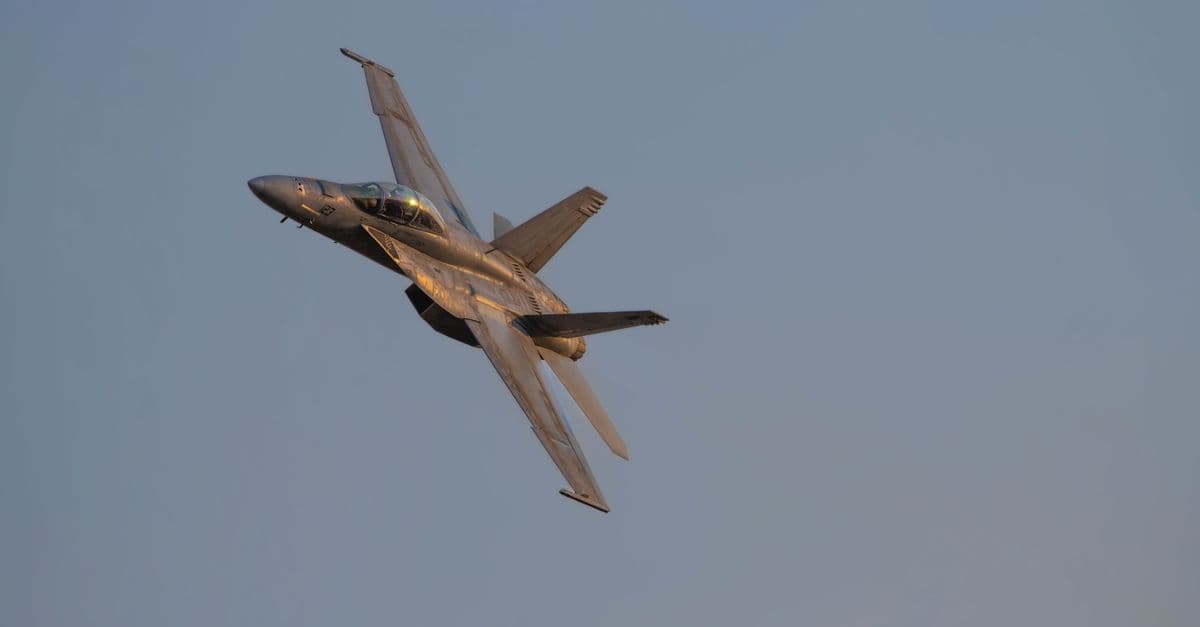
- A vertical-takeoff strike aircraft.
- A long-range anti-ship missile.
- Two stratospheric systems.
- A cheap surface-to-air interceptor built to kill drones.
- A 40-foot Navy logistics-and-strike aircraft, announced this week, weighing roughly 4,000 pounds and able to fly over a thousand miles with a thousand-pound payload.
That last aircraft is a real leap. Mach biggest aircraft to date has been about 13 feet long, so a 40-foot, near-vertical-takeoff platform is a step change in scale rather than an iteration. None of the six programs is in full-rate production yet.
How the strategy is supposed to work
Thornton thesis is that the United States cannot out-manufacture China, so it has to out-create it. He points to the gap directly: China reportedly builds something like a thousand cruise missiles a day, while the U.S. builds roughly one every three days. His read is that America historically wins on creativity and productization, not raw output, and that defense is a chess game where shipping only one product means you have already lost.
That belief is why he refuses the single-minded focus that something like rocket launch demands. In his framing, security requires hundreds of different products, so spreading across six programs is the point, not a distraction.
He also argues the real bottleneck is not the platforms but the supply chain beneath them. Getting jet engines, solid rocket motors, and radar into the building is the hard part. Mach built and fired two jet engines from scratch in about eight months, a process he says traditionally takes four years. In May it acquired Exquadrum, a 24-year-old solid rocket motor company, for 50 million dollars, beating out roughly eight other bidders by its own telling. Selling components rather than just finished vehicles now accounts for about half of Mach revenue.
Investors should weigh the timeline against the track record: fewer than 10 programs industry-wide have ever reached the rate-manufacturing tier Thornton is targeting for three systems by year end. Most of Mach 13 contracts still sit in the middle stage of procurement, past initial design but short of mass production.
How it compares to the field
The company Mach most resembles is Anduril, the startup against which every defense-tech firm gets measured. Thornton draws the comparison himself, but flags a difference in approach.
| Company | Approach | Latest valuation |
|---|---|---|
| Mach Industries | Six programs at once, bottom-up from hardware | 1.8 billion dollars |
| Anduril | Top-down from the software stack | 61 billion dollars |
| Shield AI | One deliberate platform bet at a time | 12.7 billion dollars |
| Saronic | One autonomy stack across hull sizes | 9.25 billion dollars |
Anduril is bigger, older, and far ahead. It raised 5 billion dollars in May at a 61 billion dollar valuation, more than 30 times Mach, and in March landed a 10-year, 20 billion dollar-ceiling Army enterprise contract that consolidated over 120 separate procurement actions. Whatever Mach is building toward, Anduril got there years and tens of billions of dollars earlier.
Thornton insists the field is not zero-sum. He argues the Pentagon structurally avoids monopolies, deliberately keeping two or three vendors alive in each category, and that the scale of the problem is large enough that multiple companies could build at full tilt without meeting demand.
What happens next over the coming 24 to 72 hours
Expect the immediate aftermath to play out in coverage and competitive signaling rather than hardware. With the round freshly public and the 40-foot Navy aircraft announced this same week, watch for follow-on reporting that pressure-tests the six-program claim and the rate-manufacturing timeline.
The harder milestones are dated further out by Thornton own words. He says several systems should reach operational deployment by the end of this year, and that he wants three of the six in rate manufacturing in that same window, scaling from hundreds of units a month toward hundreds of thousands at a factory Mach plans to stand up soon. Those are the numbers to hold the company to. For now the money is in the door, the programs are mid-procurement, and the bet remains unproven at scale.
Source: TechCrunch
Frequently asked questions
What is Mach Industries?+
Mach Industries is a defense-technology startup founded by Ethan Thornton, who dropped out of MIT at 19. It is developing unmanned and strike weapons systems, currently running six programs at once, and recently closed a 300 million dollar Series C at a 1.8 billion dollar valuation.
How much has Mach Industries raised?+
Mach has raised roughly 485 million dollars in total. The latest round, a 300 million dollar Series C, valued the company at 1.8 billion dollars and closed earlier in June 2026.
How is Mach different from Anduril and Shield AI?+
Shield AI and Saronic stay disciplined around one core platform, while Mach runs six programs at once. Thornton says his approach resembles Anduril but is bottom-up from hardware, whereas Anduril started top-down from software. Anduril remains far larger at a 61 billion dollar valuation.
Founder & Lead Technician
Daniel founded Ask Technicians to cut through bad tech advice. He writes hands-on troubleshooting guides drawn from years of real-world repair and support work.
Related guides
HaloBraid Raises 7M to Automate Hair Braiding
HaloBraid just raised 7 million dollars led by Alexis Ohanian to build a robotic braiding assistant that finishes braids in seconds, not hours.

Meta Names Kunal Shah WhatsApp Chief, Backs CRED
Meta has appointed CRED founder Kunal Shah to lead WhatsApp as Will Cathcart steps aside, alongside a 900 million dollar investment in CRED.

SoftBank CEO Questions Musk Orbital Data Center Hype
Masayoshi Son says space data centers cost too much and arrive too late for the AI compute race. Why SpaceX still wins either way.

Rock Weathering and Climate: What a New Study Found
A new study of a 183-million-year-old warming event finds eroding rock can heat the climate, not just cool it. Here is what the rhenium data shows.