
BlackRock-Backed Securitize Hits the NYSE Thursday - Why It Matters
A crypto firm most people have never heard of is about to go public under SECZ. The reason Wall Street is watching is bigger than one stock.
Founder & Lead Technician
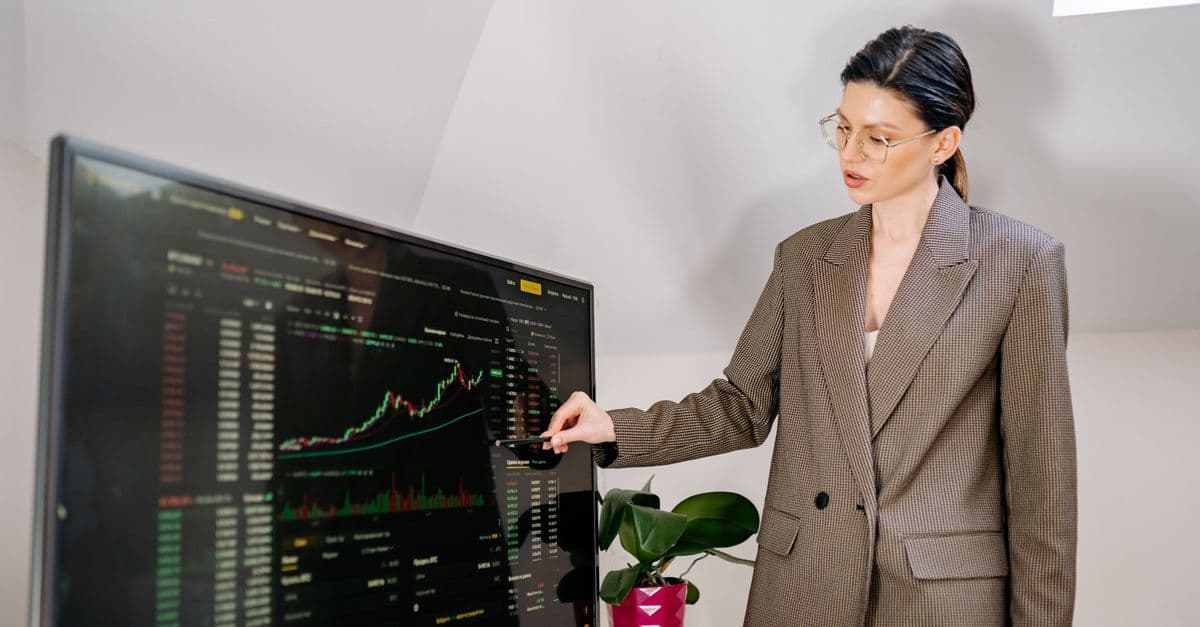
Quick answer
Securitize, a BlackRock-backed tokenization firm, won shareholder approval for its SPAC merger with Cantor Equity Partners II and is set to begin trading on the NYSE on Thursday under the ticker SECZ, becoming one of the first publicly traded pure-play tokenization companies.
A company most retail investors have never heard of is about to ring the bell at the New York Stock Exchange.
Securitize - a tokenization firm backed by BlackRock - cleared its final major hurdle on Monday when shareholders of Cantor Equity Partners II approved the two firms proposed SPAC merger. The deal is expected to close Wednesday, with the combined company set to begin trading Thursday on the NYSE under the ticker SECZ.
Traders did not wait for the closing bell to react. Shares of Cantor Equity Partners II surged as much as 20 percent during Monday session, front-running a result the market had clearly already priced in.
Here is why that matters far beyond one ticker symbol.
The part Wall Street actually cares about
SECZ is being pitched as one of the few pure-play ways for public market investors to bet on tokenization. And tokenization is the trend the biggest names in finance have quietly been racing to own.
So what is it, really?
Tokenization means taking a traditional asset - a fund, a bond, a slice of private credit - and issuing a blockchain-based version of it. The token records who owns what and can move and settle on blockchain rails, while the underlying asset still exists in the regulated, real world. Think of it as putting an old financial product on faster, programmable plumbing.
Securitize, founded in 2017, builds that plumbing. It has become one of the leading providers of tokenization infrastructure, helping asset managers including BlackRock, Apollo, KKR and VanEck issue blockchain-based versions of their products. BlackRock and ARK Invest sit among its early investors.
That client list is the whole story. This is not a meme coin going public. It is the back-end vendor for some of the largest money managers on earth.
Why a SPAC, and why now
Securitize is not doing a traditional IPO. It is merging with Cantor Equity Partners II, a special purpose acquisition company - a shell that raises money first and finds a private company to take public later.
SPACs got a reputation for hype and broken promises during the 2020 to 2021 boom, when dozens of pre-revenue companies used them to reach public markets and many later cratered. So a healthy dose of skepticism is fair here.
But the timing is not random. The listing lands exactly as Wall Street institutions ramp up efforts to move traditional assets onto blockchain - and as a public, liquid way to invest in that shift simply did not exist before.
If you are tempted to chase SECZ on day one: a 20 percent pre-merger pop means optimism is already in the price. Going public does not change a company fundamentals overnight, and SPAC debuts can be volatile in both directions. Size any position like the speculative bet it is.
The trillion-dollar numbers - and the asterisk
The bull case rests on forecasts that are genuinely enormous. Citi has projected tokenized assets could reach 5.5 trillion dollars by 2030. Standard Chartered estimated the market could grow to 2 trillion dollars by 2028.
Notice how far apart those two numbers are. That gap is the honest signal here: even the institutions cheering tokenization disagree by trillions about how fast it arrives. Forecasts like these have a long history of being early, optimistic, or both.
Here is a comparison to keep the hype in perspective.
| Forecast source | Projected tokenized market | Target year |
|---|---|---|
| Standard Chartered | 2 trillion dollars | 2028 |
| Citi | 5.5 trillion dollars | 2030 |
Two reputable banks, the same trend, a 3.5 trillion dollar spread and a two-year difference. Treat any single headline number as a possibility, not a promise.
Who wins and who loses if this works
Tokenization is not a story about replacing the stock market with crypto. It is about who controls the rails underneath finance.
- Winners: infrastructure providers like Securitize, the asset managers who can offer faster-settling products, and investors who eventually get access to assets that used to be locked behind high minimums or slow paperwork.
- Under pressure: the legacy middlemen - some clearing, settlement and transfer-agent functions - whose slow, manual processes are exactly what tokenization aims to compress.
- The wildcard: regulators, who will decide how fast real-world assets are allowed onto blockchain rails and under what rules.
What happens next (24 to 72 hours)
The near-term sequence is straightforward, but each step carries a catch.
- Wednesday: the merger is expected to close, subject to customary closing conditions. Until it does, the deal is not technically final - watch for any closing-condition surprises.
- Thursday: the combined company is set to begin trading on the NYSE under SECZ. Expect heavy volume and sharp swings as the ticker reprices from a SPAC shell into a real operating company.
- The following days: watch how SECZ trades relative to that 20 percent pre-merger pop, and whether other tokenization or real-world-asset names move in sympathy. A strong debut would hand the entire sector a fresh narrative.
What you should actually do
You do not need to trade this to learn from it. A few concrete moves:
- If you are curious, not committed: add SECZ to a watchlist and observe a few sessions before deciding. First-day SPAC prices rarely reflect long-term value.
- If you already hold crypto or RWA exposure: use this debut as a checkpoint to confirm you understand what tokenization is and is not, rather than reacting to the headline.
- If you are skeptical: good. Read the eventual filings, look for real revenue and client growth behind the BlackRock association, and judge the company on numbers, not on its famous backers.
The bigger takeaway is the one that outlasts Thursday volatility: for the first time, public investors get a near-direct line to the tokenization buildout that Wall Street giants have been constructing largely out of view. Whether SECZ itself is a winning stock is unknown. That the trend behind it has gone fully public is the part worth remembering.
Source: CoinDesk
Frequently asked questions
What is Securitize and what does it do?+
Securitize, founded in 2017, builds the infrastructure that lets asset managers issue blockchain-based versions of traditional investments. It has helped firms including BlackRock, Apollo, KKR and VanEck tokenize funds and other products. BlackRock and ARK Invest are among its early backers.
When does Securitize start trading and under what ticker?+
After shareholders of Cantor Equity Partners II approved the SPAC merger on Monday, the deal is expected to close Wednesday, with the combined company beginning trading Thursday on the New York Stock Exchange under the ticker SECZ, subject to customary closing conditions.
What is tokenization in simple terms?+
Tokenization is the process of representing traditional assets such as funds, bonds and private credit as tokens on a blockchain network. The token tracks ownership and can settle faster than legacy systems, while the underlying asset still exists in the real world.
How big could the tokenization market get?+
Forecasts vary widely. Citi has projected tokenized assets could reach 5.5 trillion dollars by 2030, while Standard Chartered estimated the market could grow to 2 trillion dollars by 2028 as institutions move real-world assets onto blockchain rails.
Founder & Lead Technician
Daniel founded Ask Technicians to cut through bad tech advice. He writes hands-on troubleshooting guides drawn from years of real-world repair and support work.
Related guides
Crypto-Backed Loans Just Hit $67B — And Banks Are Now In
The same lending that blew up Celsius and BlockFi is back. This time Silicon Valley Bank says it looks nothing like 2022. Here is what changed.
Crypto's Biggest Bet of 2026 Has Nothing to Do With Crypto
A $400 million fund just launched on a strange idea: the next crypto fortune will be made financing GPUs, robots and solar panels. Here is the play.
Polymarket Hack Hits $3.1M: What We Know
Hackers drained about $3.1 million in PUSD from 11 Polymarket wallets after a compromised vendor injected a malicious script. Here is what happened.

Bitcoin Looks Calm at 59K — That Quiet Is the Warning
Five days stuck near 59K looks boring. Where it is happening is the part that should worry you — and a 40K trapdoor is open.